


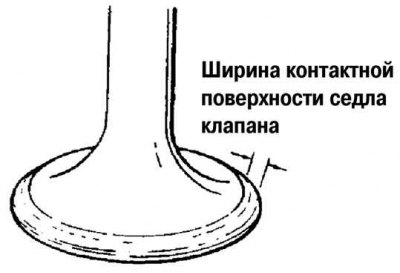
Fig. 2.147. Measuring the valve seat width
Measure the width of the valve seat contact surface. If necessary, machine the valve seat or plate using the appropriate device (fig. 2.147).
Standard width: 1.2–1.6 mm.
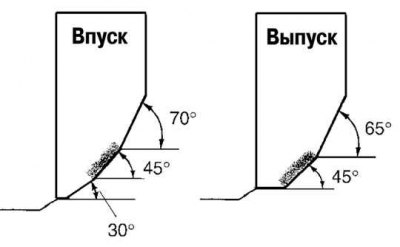
Fig. 2.148. Methods of processing the valve seat with a cutting tool
Check the centering of the contact surface relative to the valve seat (fig. 2.148).
If the contact surface is offset outward, machine the valve seat with a cutting tool with a working angle of 70° (Inlet) or 65° (Exhaust) and a cutting tool with an angle of 45°.
If the contact surface is offset inward, machine the valve seat with a cutting tool with a working angle of 30° (Inlet) or 0° (Exhaust) and a cutting tool with an angle of 45°.
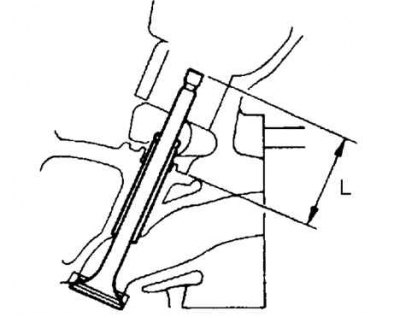
Fig. 2.149. Measuring valve seat protrusion
Check the valve seat depth. Measure the protrusion (L dimension) of the valve stem (fig. 2.149).
If the measured height is not within the standard, replace the cylinder head.
Standard size L:
- Intake: 40.64–42.24 mm;
- Issue: 40.50–42.10 mm.