


Vehicle Maintenance Mazda 6 (GG)

General information and safety measures during vehicle inspection and maintenance
Regular vehicle maintenance is essential. During the operation of the vehicle, such processes as loosening of the fastening of units and assemblies, wear of rubbing...
Regular vehicle maintenance is essential. During the operation of the vehicle, such processes as loosening of the fastening of units and assemblies, wear of rubbing...

Checking the engine oil level
1. Make sure the vehicle is parked on a level, horizontal surface. 2. Warm up the engine to normal operating temperature. 3. Turn off the engine and wait at least 5...
1. Make sure the vehicle is parked on a level, horizontal surface. 2. Warm up the engine to normal operating temperature. 3. Turn off the engine and wait at least 5...

Checking the coolant level
Check the freezing point of the coolant in the engine cooling system at least once a year - before the start of the winter season, and also before traveling to places...
Check the freezing point of the coolant in the engine cooling system at least once a year - before the start of the winter season, and also before traveling to places...

Checking the level of working fluid in the power steering reservoir
Attention! To avoid failure of the power steering pump, do not continue to operate the vehicle if the power steering fluid level has dropped to the lower "MIN" mark....
Attention! To avoid failure of the power steering pump, do not continue to operate the vehicle if the power steering fluid level has dropped to the lower "MIN" mark....

Checking the Automatic Transmission Fluid Level
It is necessary to check the level of the automatic transmission fluid regularly. The check is performed as follows. The volume of the working fluid changes depending on...
It is necessary to check the level of the automatic transmission fluid regularly. The check is performed as follows. The volume of the working fluid changes depending on...

Checking the Automatic Transmission Fluid Level on 4WD Vehicles
The volume of the working fluid changes depending on the temperature. The level of the working fluid should be checked with the engine idling and at normal working...
The volume of the working fluid changes depending on the temperature. The level of the working fluid should be checked with the engine idling and at normal working...

Checking the windshield and headlight washer fluid levels
Fill the windshield washer reservoir only with special liquid intended for the washer or with clean water. It is dangerous to use low-freeze coolant as a windshield...
Fill the windshield washer reservoir only with special liquid intended for the washer or with clean water. It is dangerous to use low-freeze coolant as a windshield...
Lubrication of friction units on the car body
All moving parts of the body equipment, such as door and hood hinges, locks and latches, should be lubricated at each engine oil change. In sub-zero ambient...
All moving parts of the body equipment, such as door and hood hinges, locks and latches, should be lubricated at each engine oil change. In sub-zero ambient...

Replacing the air cleaner filter element
Note: If the vehicle is operated in very dusty conditions, replace the air cleaner filter element more often than specified in the maintenance schedule. Fig. 1.185....
Note: If the vehicle is operated in very dusty conditions, replace the air cleaner filter element more often than specified in the maintenance schedule. Fig. 1.185....
Replacing Windshield Wiper Blades
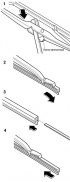
Contamination of both the windshield and the wiper blades with foreign substances can reduce the quality of cleaning of the glass. Such contaminants include, for...
Contamination of both the windshield and the wiper blades with foreign substances can reduce the quality of cleaning of the glass. Such contaminants include, for...
Battery Maintenance
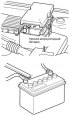
Fig. 1.188. Preventive maintenance of the battery To ensure reliability and long battery life, follow these instructions: (fig. 1.188). Before servicing the battery,...
Fig. 1.188. Preventive maintenance of the battery To ensure reliability and long battery life, follow these instructions: (fig. 1.188). Before servicing the battery,...

Checking the electrolyte level
When the electrolyte level is low, the battery capacity decreases and it discharges quickly. Fig. 1.189. Checking the battery electrolyte level Check the electrolyte...
When the electrolyte level is low, the battery capacity decreases and it discharges quickly. Fig. 1.189. Checking the battery electrolyte level Check the electrolyte...
Battery charge
Before servicing or charging the battery, turn off the engine and all electrical consumers. To disconnect the battery from the vehicle electrical system, first...
Before servicing or charging the battery, turn off the engine and all electrical consumers. To disconnect the battery from the vehicle electrical system, first...

Checking the air pressure in the tires
Fig. 1.190. Location of the plate with the recommended air pressure in the tires Check the pressure in all tires monthly, including the spare tire. Air pressure should...
Fig. 1.190. Location of the plate with the recommended air pressure in the tires Check the pressure in all tires monthly, including the spare tire. Air pressure should...
Periodic wheel rotation
To ensure more even wear of the tire treads, you should periodically (every 10,000 km) rotate the wheels. If uneven tire wear develops, rotate the wheels more often....
To ensure more even wear of the tire treads, you should periodically (every 10,000 km) rotate the wheels. If uneven tire wear develops, rotate the wheels more often....

Location of outdoor lighting fixtures
The location of the external lighting devices in cars with sedan and hatchback bodies is shown in Figure 1.191, and in cars with station wagon bodies – in Figure 1.192....
The location of the external lighting devices in cars with sedan and hatchback bodies is shown in Figure 1.191, and in cars with station wagon bodies – in Figure 1.192....
Replacing xenon lamps
Replacing xenon lamps in headlights on your own is dangerous. If you handle xenon lamps incorrectly, you may get an electric shock, since such lamps use high electrical...
Replacing xenon lamps in headlights on your own is dangerous. If you handle xenon lamps incorrectly, you may get an electric shock, since such lamps use high electrical...
Replacing halogen lamps
A halogen lamp is dangerous if broken. The halogen lamp bulb contains gas under excess pressure. If the lamp breaks, people may be seriously injured by flying fragments...
A halogen lamp is dangerous if broken. The halogen lamp bulb contains gas under excess pressure. If the lamp breaks, people may be seriously injured by flying fragments...

Replacing high beam headlight bulbs
1. Check that the main light switch is in the "Off" position. 2. Raise the hood and determine the location of the lamps installed in the high and low beam headlights...
1. Check that the main light switch is in the "Off" position. 2. Raise the hood and determine the location of the lamps installed in the high and low beam headlights...

Replacing low beam headlight bulbs
1. Check that the main light switch is in the "Off" position. 2. Raise the hood and determine the location of the lamps installed in the high and low beam headlights...
1. Check that the main light switch is in the "Off" position. 2. Raise the hood and determine the location of the lamps installed in the high and low beam headlights...
Replacing front fog light bulbs and front side light bulbs
When replacing the front fog lamps and front parking lamps, first perform operations 3 through 5, which are described in subsection " Replacing high beam headlight bulbs...
When replacing the front fog lamps and front parking lamps, first perform operations 3 through 5, which are described in subsection " Replacing high beam headlight bulbs...

Replacing front turn signal bulbs
1. Turn the lamp holder counterclockwise and remove it. Fig. 1.197. Removing the lamp from the socket 2. Remove the bulb from the socket by pushing it slightly into the...
1. Turn the lamp holder counterclockwise and remove it. Fig. 1.197. Removing the lamp from the socket 2. Remove the bulb from the socket by pushing it slightly into the...
Replacing side turn signal repeater bulbs
1. To remove the repeater light, move it forward slightly. 2. Disconnect the electrical connector from the light. 3. Install the new lamp by performing the above...
1. To remove the repeater light, move it forward slightly. 2. Disconnect the electrical connector from the light. 3. Install the new lamp by performing the above...

Replacement of brake light/tail light bulbs, rear turn signal bulbs
Fig. 1.198. Removing brake light/tail light bulbs, rear turn signal bulbs 1. Remove the plastic holders and partially remove the side trim of the luggage compartment. To...
Fig. 1.198. Removing brake light/tail light bulbs, rear turn signal bulbs 1. Remove the plastic holders and partially remove the side trim of the luggage compartment. To...

Replacing the reversing light and rear fog light bulbs (sedan cars)
Fig. 1.199. Removing the reversing light and rear fog light bulbs 1. Remove the plastic clips and remove the trunk lid trim. To remove the plastic trim clip, pull out...
Fig. 1.199. Removing the reversing light and rear fog light bulbs 1. Remove the plastic clips and remove the trunk lid trim. To remove the plastic trim clip, pull out...

Replacing the central high-mounted brake light bulb (sedan vehicles)
1. Remove the center brake light. 2. Disconnect the electrical connector from the socket. 3. Turn the lamp holder counterclockwise and remove it. Fig. 1.200....
1. Remove the center brake light. 2. Disconnect the electrical connector from the socket. 3. Turn the lamp holder counterclockwise and remove it. Fig. 1.200....

Replacing the license plate light bulb
1. Wrap a flat-head screwdriver in a soft cloth (to avoid mechanical damage to the diffusers) and gently press the edge of the diffuser holder. Remove the flashlight...
1. Wrap a flat-head screwdriver in a soft cloth (to avoid mechanical damage to the diffusers) and gently press the edge of the diffuser holder. Remove the flashlight...

Replacement of the overhead light bulb / local lighting lamps
Fig. 1.202. Removing the lamp housing assembly 1. Wrap a flat-head screwdriver in a soft cloth (to avoid mechanical damage to the upholstery) and carefully insert it...
Fig. 1.202. Removing the lamp housing assembly 1. Wrap a flat-head screwdriver in a soft cloth (to avoid mechanical damage to the upholstery) and carefully insert it...
Electrical fuses
The electrical equipment of the vehicle is protected by fuses. If any lighting fixture, additional equipment or control buttons fail, check the fuse for the...
The electrical equipment of the vehicle is protected by fuses. If any lighting fixture, additional equipment or control buttons fail, check the fuse for the...

Replacing fuses
Replacing the fuses located in the left block in the passenger compartment If the electrical equipment of the car does not work, first of all check the fuses located in...
Replacing the fuses located in the left block in the passenger compartment If the electrical equipment of the car does not work, first of all check the fuses located in...
Protection of the body from corrosion
Common causes of car corrosion are: road salt, dirt and moisture that accumulates under the vehicle; chipping of paint or protective coatings by stones, gravel, minor...
Common causes of car corrosion are: road salt, dirt and moisture that accumulates under the vehicle; chipping of paint or protective coatings by stones, gravel, minor...
Preventing corrosion
You can prevent corrosion. The best way to prevent corrosion is to keep your car clean. It is very important to pay special attention to the underside of your car. If...
You can prevent corrosion. The best way to prevent corrosion is to keep your car clean. It is very important to pay special attention to the underside of your car. If...
Washing and applying wax paste
Washing your car when its surface is heated by the sun's rays is unacceptable. Always wash your car in the shade. Wash your car as often as possible. Dirt is abrasive...
Washing your car when its surface is heated by the sun's rays is unacceptable. Always wash your car in the shade. Wash your car as often as possible. Dirt is abrasive...
Stain removal
Do not use gasoline, strong solvents or corrosive cleaning agents. These may damage the paintwork. To remove road tar, use a clean soft cloth dampened with turpentine....
Do not use gasoline, strong solvents or corrosive cleaning agents. These may damage the paintwork. To remove road tar, use a clean soft cloth dampened with turpentine....
Polishing and waxing
Before applying polish and wax paste, be sure to wash and dry the car. Use only high-quality products available on the market and follow the manufacturer's instructions...
Before applying polish and wax paste, be sure to wash and dry the car. Use only high-quality products available on the market and follow the manufacturer's instructions...
Caring for bumpers
When caring for your car bumpers, you must take precautions. Be careful not to let battery electrolyte or brake fluid get on the bumpers. If this happens, wash the...
When caring for your car bumpers, you must take precautions. Be careful not to let battery electrolyte or brake fluid get on the bumpers. If this happens, wash the...
Cleaning the car interior
To clean vinyl upholstery, first remove crumbs and dust with a vacuum cleaner. Then use a solution of neutral detergent in warm water using a clean sponge or soft cloth....
To clean vinyl upholstery, first remove crumbs and dust with a vacuum cleaner. Then use a solution of neutral detergent in warm water using a clean sponge or soft cloth....
Cleaning genuine leather upholstery
During normal use, genuine leather upholstery, like other materials, will collect dust and dirt. Dirt should be removed as it can become embedded in the leather and...
During normal use, genuine leather upholstery, like other materials, will collect dust and dirt. Dirt should be removed as it can become embedded in the leather and...
Carpet cleaning
Use foaming carpet cleaners. These types of cleaners may come in aerosol cans, liquids, or powders. Read and follow the instructions on the package. Use a vacuum cleaner...
Use foaming carpet cleaners. These types of cleaners may come in aerosol cans, liquids, or powders. Read and follow the instructions on the package. Use a vacuum cleaner...
Cleaning seat belts
To clean the seat belts, use a cloth or sponge soaked in a neutral detergent and warm water. Do not use strong cleaners, bleach or abrasive cleaners, as this may weaken...
To clean the seat belts, use a cloth or sponge soaked in a neutral detergent and warm water. Do not use strong cleaners, bleach or abrasive cleaners, as this may weaken...
Glass washing
You can use any household glass cleaner to clean the glass. When cleaning the inside of the rear window, be careful not to damage the heating elements of the rear window...
You can use any household glass cleaner to clean the glass. When cleaning the inside of the rear window, be careful not to damage the heating elements of the rear window...
This section is available on: russian, bulgarian, belarusian, ukrainian, serbian, croatian, romanian, polish, slovak, hungarian
More sections on repairs of other Mazda models
• General information: Maintenance Mazda Familia 6 (1989-1994)
• General information: Maintenance Mazda Capella 3 and 4 (1982-1992)
• User manual: Maintenance Mazda3 BK (2003-2009)
• General information: Maintenance Mazda CX-5KE (2012-2017)
• General information: Maintenance Mazda 121 (3) (1996-2003)
• General information: Maintenance Mazda Familia 6 (1989-1994)
• General information: Maintenance Mazda Capella 3 and 4 (1982-1992)
• User manual: Maintenance Mazda3 BK (2003-2009)
• General information: Maintenance Mazda CX-5KE (2012-2017)
• General information: Maintenance Mazda 121 (3) (1996-2003)
Link in different formats to this section
TEXTHTMLBB Code
- User manual
- Vehicle description
- Keys, locks and alarms
- Controls and instruments
- Air conditioning and heater
- Seat adjustment
- Security systems
- Driving and operation
- Faults en route
- Maintenance
- Power unit
- Engine device
- Engine repair
- Lubrication system
- Cooling system
- Fuel system
- Exhaust system
- Electrical equipment of engines
- Control system
- Transmission
- Clutch
- Mechanical gearbox
- Automatic gearbox
- Drive shafts and hubs
- Chassis
- Suspension and wheels
- Steering
- Brake system
- Body
- Exterior (external elements)
- Interior (internal elements)
- Doors and windows
- Air conditioning and heater
- Electrical equipment
- Equipment and devices
- Power devices
- Lighting system
- Windshield wipers and washers