


Contents: Belt ⇓ Tensioner ⇓
Belt
Make sure the seat belt is installed correctly.
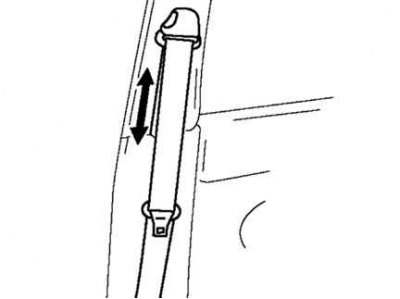
Fig. 8.69. Checking the seat belt
Check the seat belt for damage and deformation of metal elements (Fig. 8.69).
If there is damage, replace the belt.
Tensioner
Make sure the belt extends and retracts smoothly.
If this is not the case, replace the seat belt.
Make sure the seat belt tensioner engages when the belt is pulled out quickly.
If this is not the case, replace the seat belt.
Remove the seat belt tensioner.
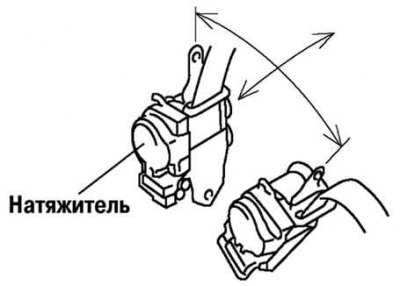
Fig. 8.70. Checking the seat belt tensioner
Make sure that the seat belt does not lock when the belt tensioner is tilted up to 15° from the original position and locks when the tensioner is tilted by 40° or more (Fig. 8.70).
If this is not the case, replace the seat belt.
Remove the belt completely to change the locking mode from ELR to ALR.
Check that the seat belt tensioner makes a clicking sound as the belt slowly retracts.
If you cannot hear the sound, the lock mode has not changed.
If there is no clicking sound when rewinding, replace the belt.
Make sure the belt locks when pulled out.
If this is not the case, replace the seat belt.
Make sure the locking mode changes to ELR when the belt is fully retracted.
Otherwise, replace the seat belt.
Tensioner load limiter.
Caution! When the load limiter is in operation, the belt and upper mount rub against each other strongly, leaving traces of wear.
A worn belt cannot perform its function of protecting passengers.
Make sure to replace the seat belt after the load limiter has been triggered.
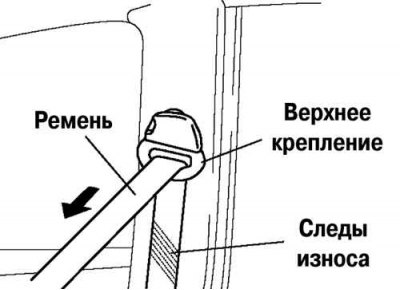
Fig. 8.71. Checking the seat belt wear
If the vehicle has been in a collision, pull the belt out of the tensioner, inspect it and make sure the belt does not show any signs of wear (load limiter failed to operate) (Fig. 8.71).
If this is not the case, replace the seat belt.