


Car engine cooling system Mazda 3 (BK)

General information about engine cooling system
The car engine is used in various climatic conditions and under various loads. The temperature of the coolant, and therefore the engine, must be regulated and remain...
The car engine is used in various climatic conditions and under various loads. The temperature of the coolant, and therefore the engine, must be regulated and remain...

Radiator of the cooling system — description
Fig. 2.49. Cooling system radiator Radiator with horizontal tubes, ribbed plates and aluminum core. Radiator tanks are made of plastic. Four mounting brackets with...
Fig. 2.49. Cooling system radiator Radiator with horizontal tubes, ribbed plates and aluminum core. Radiator tanks are made of plastic. Four mounting brackets with...

Fan, radiator fairing, expansion tank of the cooling system
The radiator operating system uses electric cooling fans #1 and #2, which are controlled by a signal from the PCM. Fig. 2.50. Fan, fairing and expansion tank assembly: 1...
The radiator operating system uses electric cooling fans #1 and #2, which are controlled by a signal from the PCM. Fig. 2.50. Fan, fairing and expansion tank assembly: 1...

Thermostat — Description
Fig. 2.51. Thermostat: 1 – engine side; 2 – radiator side; 3 – coolant pump; 4 – thermostat; 5 – thermostat housing; 6 – oil cooler (lF and L3 engines); 7 – heater hose...
Fig. 2.51. Thermostat: 1 – engine side; 2 – radiator side; 3 – coolant pump; 4 – thermostat; 5 – thermostat housing; 6 – oil cooler (lF and L3 engines); 7 – heater hose...

Coolant pump — description
Fig. 2.52. Coolant pump: 1 – coolant pump pulley; 2 – coolant pump housing The coolant pump housing is made of aluminum alloy. The coolant pump is driven by a poly...
Fig. 2.52. Coolant pump: 1 – coolant pump pulley; 2 – coolant pump housing The coolant pump housing is made of aluminum alloy. The coolant pump is driven by a poly...

Checking the engine coolant level
Note: Never remove the radiator cap or loosen the radiator drain plug while the engine is running or while the radiator is hot. Fig. 2.210. Components of the cooling...
Note: Never remove the radiator cap or loosen the radiator drain plug while the engine is running or while the radiator is hot. Fig. 2.210. Components of the cooling...

Engine Coolant Replacement
Fig. 2.211. Radiator components: 1 – expansion tank; 2 – radiator; 3 – hoses; 4 – radiator filler cap; 5 – radiator drain plug Remove the radiator drain plug. (see fig....
Fig. 2.211. Radiator components: 1 – expansion tank; 2 – radiator; 3 – hoses; 4 – radiator filler cap; 5 – radiator drain plug Remove the radiator drain plug. (see fig....

Checking the radiator cap
Check the coolant level. Remove the radiator cap. Clean the radiator cap seating surface and the upper radiator hose. Fig. 2.212. Connecting the compression gauge To...
Check the coolant level. Remove the radiator cap. Clean the radiator cap seating surface and the upper radiator hose. Fig. 2.212. Connecting the compression gauge To...

Removal and installation the radiator
Disconnect the negative battery cable. Drain the engine coolant. Remove the cooling fan. Remove the oil hose (models with automatic transmission). Remove the water hoses...
Disconnect the negative battery cable. Drain the engine coolant. Remove the cooling fan. Remove the oil hose (models with automatic transmission). Remove the water hoses...

Radiator check
Check if the radiator is clogged with dirt. If necessary, clean the radiator as described below: Do not bend or damage the radiator fins. When cleaning the radiator...
Check if the radiator is clogged with dirt. If necessary, clean the radiator as described below: Do not bend or damage the radiator fins. When cleaning the radiator...

Removal and installation the thermostat
Remove the plug hole plate. Disconnect the negative battery cable. Drain the engine coolant. Remove the drive belt. Remove the windshield washer reservoir. Remove the...
Remove the plug hole plate. Disconnect the negative battery cable. Drain the engine coolant. Remove the drive belt. Remove the windshield washer reservoir. Remove the...

Checking the Thermostat
Fig. 2.215. Removing the thermostat: 1 – bypass hose; 2 – lower hose; 3 – thermostat assembly; 4- thermostat mounting bolts Tie a string so that it is secured to the...
Fig. 2.215. Removing the thermostat: 1 – bypass hose; 2 – lower hose; 3 – thermostat assembly; 4- thermostat mounting bolts Tie a string so that it is secured to the...

Removal, checking and installation the coolant pump
Disconnect the negative battery cable. Drain the engine coolant. Loosen the coolant pump pulley bolt to remove the drive belt. Remove the coolant pump pulley. Remove the...
Disconnect the negative battery cable. Drain the engine coolant. Loosen the coolant pump pulley bolt to remove the drive belt. Remove the coolant pump pulley. Remove the...

Engine Cooling System Components (Diesel)
Fig. 2.303. Components of the Z6 engine cooling system: 1 – expansion tank of the cooling system; 2 – radiator; 3 – thermostat; 4 – coolant pump; 5 – cooling system fan...
Fig. 2.303. Components of the Z6 engine cooling system: 1 – expansion tank of the cooling system; 2 – radiator; 3 – thermostat; 4 – coolant pump; 5 – cooling system fan...
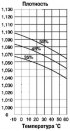
Measuring coolant temperature (diesel)
Measure the coolant temperature and density with a thermometer and hydrometer. Caution: The engine contains aluminum components that may be damaged by methanol or...
Measure the coolant temperature and density with a thermometer and hydrometer. Caution: The engine contains aluminum components that may be damaged by methanol or...

Engine Coolant Replacement (Diesel)
Stop the engine and let it cool. Even so, be careful when removing the cap. Wrap a thick cloth around the cap and slowly turn it counterclockwise to the first stop. Move...
Stop the engine and let it cool. Even so, be careful when removing the cap. Wrap a thick cloth around the cap and slowly turn it counterclockwise to the first stop. Move...

Removal and installation the coolant pump (diesel)
Removal 1. Remove the battery cover. 2. Disconnect the negative cable from the battery. 3. Remove the bottom cover together with the splash guard. 4. Drain the coolant...
Removal 1. Remove the battery cover. 2. Disconnect the negative cable from the battery. 3. Remove the bottom cover together with the splash guard. 4. Drain the coolant...
This section is available on: russian, bulgarian, belarusian, ukrainian, serbian, croatian, romanian, polish, slovak, hungarian
More sections on repairs of other Mazda models
• Power unit: Cooling system Mazda Familia 6 (1989-1994)
• Power unit: Cooling system Mazda Capella 5 (1991-1997)
• Power unit: Cooling system Mazda6 GG (2002-2008)
• Power unit: Cooling system Mazda CX-5KE (2012-2017)
• Power unit: Cooling system Mazda 121 (3) (1996-2003)
• Power unit: Cooling system Mazda Familia 6 (1989-1994)
• Power unit: Cooling system Mazda Capella 5 (1991-1997)
• Power unit: Cooling system Mazda6 GG (2002-2008)
• Power unit: Cooling system Mazda CX-5KE (2012-2017)
• Power unit: Cooling system Mazda 121 (3) (1996-2003)
Link in different formats to this section
TEXTHTMLBB Code
- User manual
- Vehicle description
- Keys, locks and alarms
- Controls and instruments
- Air conditioning and heater
- Seat adjustment
- Security systems
- Driving and operation
- Faults en route
- Maintenance
- Power unit
- Engine device (gasoline)
- Engine repair (gasoline)
- Diesel engine (Z6)
- Lubrication system
- Cooling system
- Fuel system
- Exhaust system
- Engine electrical equipment
- Engine management system
- Transmission
- Clutch
- Mechanical gearbox
- Automatic gearbox
- Drive mechanism
- Chassis
- Suspension and wheels
- Steering
- Brake system
- Body
- Body elements
- Doors and windows
- Air conditioning and heater
- Electrical equipment
- Equipment and devices
- Power devices
- Lighting system
- Windshield wipers and washers
- Equipment checks