


Each fuse protects its own circuit, and its belonging to a particular circuit is indicated on the fuse box cover.
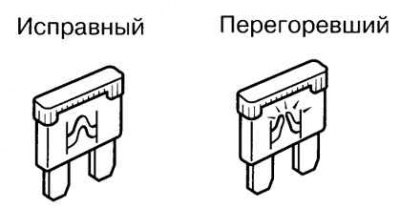
Fig. 7.2. Example of a working and faulty fuse
The fuse box contains blade fuses, the color of which corresponds to the fuse protection current. In the event of failure of any element of the electrical equipment, the condition of the fuse should be checked first. The serviceability of the fuse is determined by the presence of a wire conductor connecting the fuse contacts (Fig. 7.2).
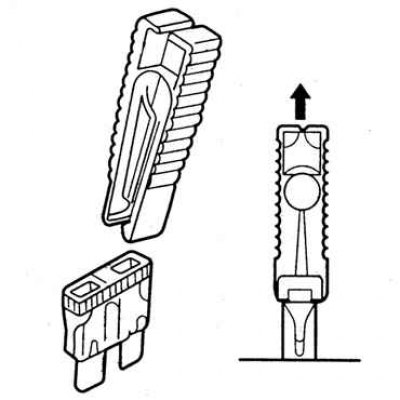
Fig. 7.3. Special tweezers for removing fuses
To replace a faulty fuse, first turn off the corresponding electrical circuit and remove the fuse from the socket using tweezers (Fig. 7.3).
If a newly installed fuse immediately blows when voltage is applied, check the protected electrical circuit. If the fuse protects several circuits, they must be connected one by one so that the faulty circuit can be determined by the blown fuse.
The heater and air conditioner draw a lot of current, so the fuse box has a switch to protect their circuits. If the circuit is opened by the switch, turn off the heater and air conditioner before pressing the reset button on the switch.