

A tripod-type constant velocity joint (CV joint) is installed on the drive shaft on the differential side, ensuring a low vibration level.
The constant velocity joints are protected by rubber boots, which are secured with clamps and protect against water and dirt.
The covers should be inspected periodically for signs of damage, lubricant leaks or cuts. Damaged CV joint covers should be replaced immediately with new ones, otherwise the CV joints may be damaged. Replacement of the cover involves removing the drive shafts. Signs of wear or damage to the CV joint, in addition to lubricant leaks, are clicking when driving and turning, humming when accelerating after coasting or vibration at high speeds on the highway.
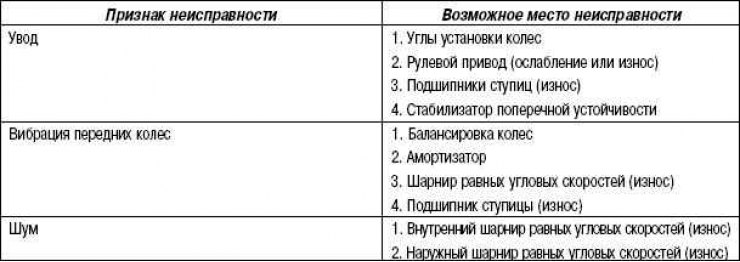
Use Table 3.8 below to find the cause of the malfunction. The numbers indicate the priority of the probable cause of the malfunction. Check each part in order. Replace these parts if necessary.
Table 3.7. Technical characteristics of drive shafts
Text taken from an online platform: www.mazbook.ru
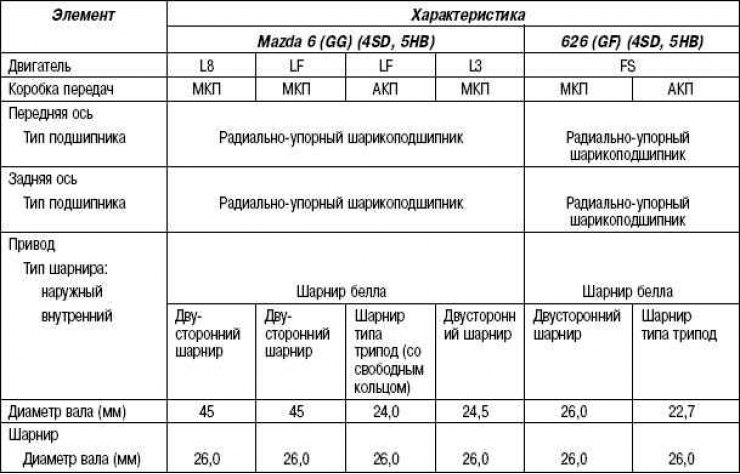
Table 3.8. Table of signs of drive mechanism malfunctions