


Contents: Installing wheels on a car ⇓ Disconnecting the brake lines ⇓ Tightening the flange nuts of the…⇓ Disconnecting connectors ⇓ Components of the DSC system ⇓
Installing wheels on a car
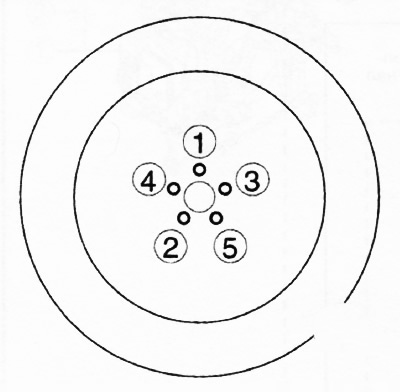
When installing wheels on a vehicle, tighten the wheel nuts in a cross pattern to a torque of 108-147 Nm.
Disconnecting the brake lines
If any brake lines are disconnected during repair work, after completing the work it is necessary to add brake fluid and bleed the brakes (remove air from the system) and check for leaks.
Caution. Brake fluid can damage the paintwork of the car body. Make sure that brake fluid does not come into contact with painted body surfaces. If this does happen, immediately remove the brake fluid from the body surface.
Tightening the flange nuts of the brake pipes
To tighten the flange nuts of the brake pipes, a special open-end wrench with a slot for installation on the pipe is used.
Disconnecting connectors
Before performing any work involving disconnecting connectors, disconnect the negative battery terminal.
Components of the DSC system
After servicing the electronic dynamic stabilization system components, make sure that there are no fault codes in the control unit memory. Delete all fault codes from the memory.
When replacing or removing components of the dynamic stabilization system, it is necessary to perform the initialization procedure of the DSC system electronic control unit (see the relevant section below in this chapter).
Caution: If the initialization procedure is not completed, the dynamic stability control system will not function properly, which may cause an accident. Therefore, if the DSC system components are replaced or removed, the system must be initialized.