


Contents: Removal ⇓ Installation ⇓
Removal
Caution! The gap between the brake light switch and the brake pedal is adjusted automatically when the brake light switch is inserted into the hole on the brake pedal and turned to lock it. If the brake light switch is not installed properly, the gap may be incorrect, causing the brake lights to not work properly. Therefore, always check the correct installation and position of the brake pedal before installing the brake light switch to the pedal (completely released).
Once the brake light switch gap has been automatically adjusted, it cannot be adjusted again. Therefore, replace the switch with a new one when replacing the brake booster or pedal, or when performing any work that changes the pedal stroke.
Remove the battery and battery tray.
Disconnect the brake line (from the master cylinder side).
Remove the brake pedal mounting bolts and nuts.
Move the brake booster toward the front of the vehicle so that the brake booster fork does not contact the brake pedal arm.
The article is copied from the resource: MAZBOOK
Remove the brake pedal.
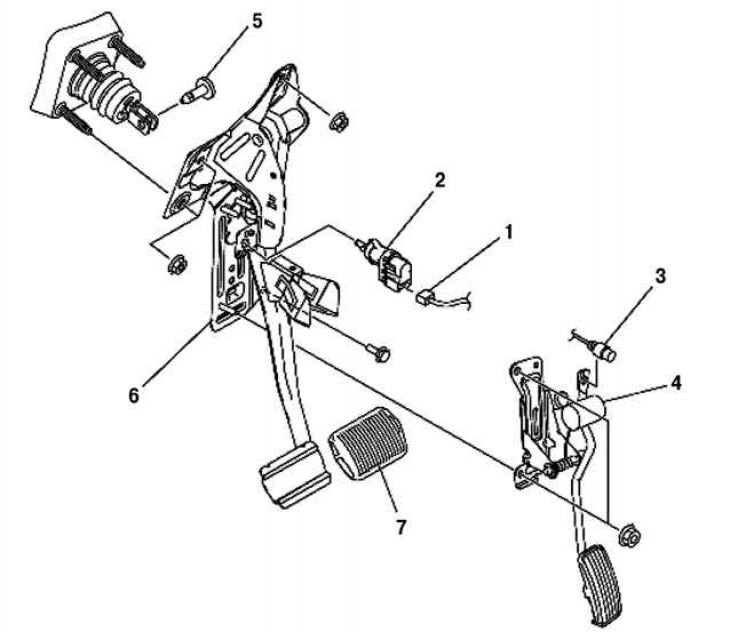
Fig. 6.19. Procedure for removing brake pedal parts: 1 – Brake light switch connector; 2 – brake light switch; 3 – throttle cable; 4 – fuel supply control pedal; 5 – hinge axis; 6 – brake pedal; 7 – pedal support platform
Installation
Install the new pivot shaft by aligning the holes in the brake booster fork and brake pedal.
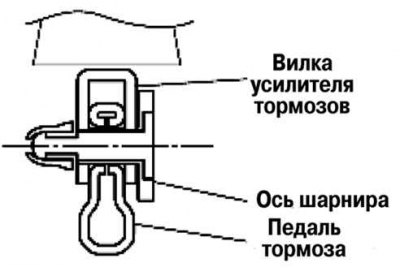
Fig. 6.20. Checking the installation of the hinge axis
Make sure that the hinge pin contacts the brake booster fork completely (Fig. 6.20).
Check the brake pedal.
With the brake pedal fully released, insert the new brake light switch into the hole in the brake pedal.
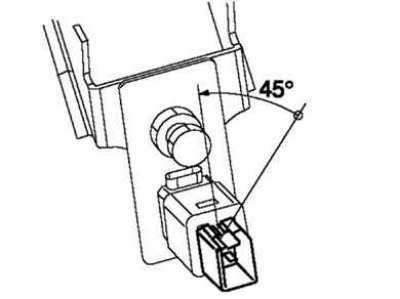
Fig. 6.21. Rotating the brake light switch by 45°
Secure the brake light switch by turning it counterclockwise 45° (Fig. 6.21).
There is no need to adjust the clearance of the limiter bolt and pedal limiter after the brake light switch is securely locked.