


Contents: Vehicle Identification Number (VIN) ⇓ Engine identification number ⇓ Gearbox number ⇓ Generator number ⇓ Label for compliance with exhaust…⇓ Body identification ⇓ Tire pressure signs ⇓
Vehicle Identification Number (VIN)
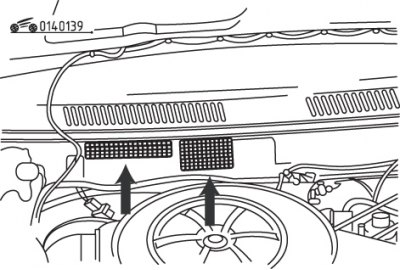
Figure 1.39. Location of the vehicle identification number (VIN) in the engine compartment
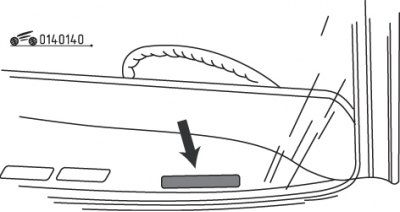
Figure 1.40. Location of the vehicle identification number (VIN) on the upper part of the instrument panel on the driver's side
Since documentation and spare parts lists are compiled based on a numbering system, the number of a specific vehicle model is very important for the correct identification of the required item. The vehicle identification number (VIN) is located in the engine compartment (figure 1.39), on some cars it is located at the top of the dashboard on the driver's side, visible through the windshield (figure 1.40). The number is also indicated in the vehicle registration document. It contains information about the manufacturer, model and body type, and the date of manufacture of the car.
Engine identification number
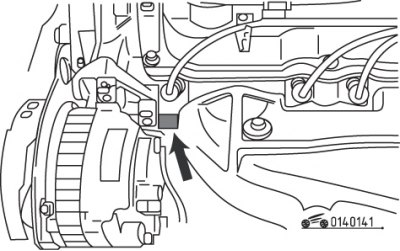
Figure 1.41. Location of the engine identification number
The number is stamped on the cylinder block under the spark plug of the first cylinder next to the generator (figure 1.41).
Gearbox number
The number is stamped on a plate attached to the end under the rear side of the cylinder head.
Generator number
Placed on a label attached to its body.
Label for compliance with exhaust gas toxicity standards
The plate is attached to the underside of the hood.
Information indicating vacuum hose location, recommended lubricants, and drive belt tension check schedule are located on the underside of the hood.
Body identification
The body identification label is located on the engine compartment bulkhead.
Tire pressure signs
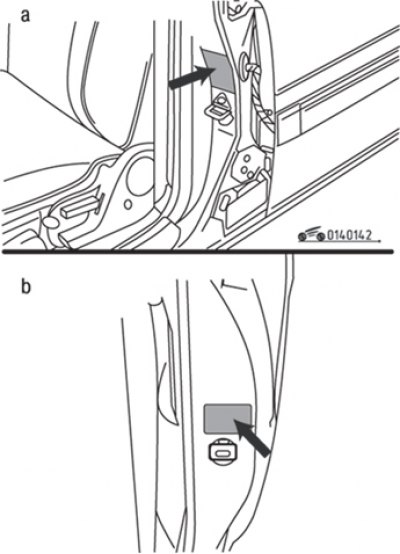
Figure 1.42. Location of the tire pressure plate: a – four- and five-door models; b – two-door models
The article is copied from the website www.MazBook.ru
The recommended tire pressure is indicated on the plate attached to the driver's door pillar (figure 1.42).