


Vehicle Maintenance Mazda 626 (6)

Routine Maintenance Specifications
Recommended oils and fluids Note: Manufacturers update their recommendations regarding lubricants and fluids from time to time. You can obtain the latest recommendations...
Recommended oils and fluids Note: Manufacturers update their recommendations regarding lubricants and fluids from time to time. You can obtain the latest recommendations...

Engine compartment with V6 engine (Ford Probe shown)
Engine compartment with V6 engine (ford Probe shown): 1. Brake fluid reservoir; 2. Fuse and relay panel; 3. Expansion tank; 4. Battery; 5. Air purifier; 6. Radiator cap;...
Engine compartment with V6 engine (ford Probe shown): 1. Brake fluid reservoir; 2. Fuse and relay panel; 3. Expansion tank; 4. Battery; 5. Air purifier; 6. Radiator cap;...

Engine bay with 4-cylinder engine (1998 Mazda 626 shown)
Engine compartment with a 4-cylinder engine (shown is a 1998 Mazda 626): 1. Brake fluid reservoir; 2. Fuel filter; 3. Fuse and relay panel; 4. Battery; 5. Air purifier;...
Engine compartment with a 4-cylinder engine (shown is a 1998 Mazda 626): 1. Brake fluid reservoir; 2. Fuel filter; 3. Fuse and relay panel; 4. Battery; 5. Air purifier;...

Rear of the car — bottom view
Rear of the car - bottom view: 1. Fuel tank; 2. Rear brake caliper; 3. Muffler; 4. Suspension unit; 5. Anti-roll bar
Rear of the car - bottom view: 1. Fuel tank; 2. Rear brake caliper; 3. Muffler; 4. Suspension unit; 5. Anti-roll bar

Ford Probe, Mazda 626, and MX-6 Service Schedule
The service intervals and types of maintenance given in this manual assume that you will perform all the work yourself, without contacting a dealer or service station....
The service intervals and types of maintenance given in this manual assume that you will perform all the work yourself, without contacting a dealer or service station....
Introduction to Maintenance
This chapter is intended to help the vehicle owner maintain the vehicle in peak performance, fuel economy and safety for a long time. The chapter is structured in...
This chapter is intended to help the vehicle owner maintain the vehicle in peak performance, fuel economy and safety for a long time. The chapter is structured in...
Maintenance — general information
The term "maintenance" is used in this manual to refer to a set of operations as opposed to a specific procedure. If the vehicle's maintenance schedule is followed from...
The term "maintenance" is used in this manual to refer to a set of operations as opposed to a specific procedure. If the vehicle's maintenance schedule is followed from...

Check fluid levels — every 400 km or weekly
1. Liquids play a vital role in the operation of engine lubrication and cooling systems, and in the brake and clutch drive. During normal use, fluids gradually...
1. Liquids play a vital role in the operation of engine lubrication and cooling systems, and in the brake and clutch drive. During normal use, fluids gradually...

Check tires — every 400 km or weekly
1. Regularly checking your tires can save you the inconvenience of suddenly finding yourself with a bald tire. Inspecting your tires can provide vital information about...
1. Regularly checking your tires can save you the inconvenience of suddenly finding yourself with a bald tire. Inspecting your tires can provide vital information about...

Check the power steering fluid level every 5,000 km or every 3 months
1. The power steering system contains fluid that may require periodic topping up. 2. The power steering fluid reserve reservoir is located on the left mudguard in the...
1. The power steering system contains fluid that may require periodic topping up. 2. The power steering fluid reserve reservoir is located on the left mudguard in the...

Check the automatic transmission fluid level every 5,000 km or every 3 months
1. The automatic transmission fluid level must be maintained at the correct level. Insufficient fluid can cause the friction controls to slip and cause loss of traction....
1. The automatic transmission fluid level must be maintained at the correct level. Insufficient fluid can cause the friction controls to slip and cause loss of traction....

Change engine oil and oil filter — every 5,000 km or every 3 months
1. Frequent oil changes are one of the reliable preventative measures for keeping the engine in good working order, which can be easily performed by a car owner. Over...
1. Frequent oil changes are one of the reliable preventative measures for keeping the engine in good working order, which can be easily performed by a car owner. Over...
Check seat belts every 25,000 km or annually
1. Inspect the belts, buckles and belt fastenings to the body for visible damage and signs of wear. 2. Check if the reminder signal on the instrument panel lights up...
1. Inspect the belts, buckles and belt fastenings to the body for visible damage and signs of wear. 2. Check if the reminder signal on the instrument panel lights up...

Inspection and replacement of windshield wipers — every 10,000 km or every 6 months
1. Windshield wiper arms and blades should be periodically inspected for damaged parts and loose connections, and the condition of the blades should be monitored, as...
1. Windshield wiper arms and blades should be periodically inspected for damaged parts and loose connections, and the condition of the blades should be monitored, as...

Check, service and charge the battery every 10,000 km or every 6 months
Caution! When working with batteries, certain precautions must be observed. There is always some amount of hydrogen present in the battery cells. This is a highly...
Caution! When working with batteries, certain precautions must be observed. There is always some amount of hydrogen present in the battery cells. This is a highly...

Checking, adjusting and replacing accessory drive belts
Every 10,000 km or once every 6 months. Examination 1. The accessory drive belts are located on the front of the engine and play a vital role in the operation of the...
Every 10,000 km or once every 6 months. Examination 1. The accessory drive belts are located on the front of the engine and play a vital role in the operation of the...
Check and replace hoses under the hood — every 10,000 km or every 6 months
Caution: Replacement of air conditioning system hoses must be performed at a specialized service station. where equipment is available for safely emptying and filling...
Caution: Replacement of air conditioning system hoses must be performed at a specialized service station. where equipment is available for safely emptying and filling...
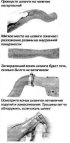
Check the cooling system — every 10,000 km or once every 6 months
1. Many engine malfunctions are associated with problems in the cooling system. If the vehicle is equipped with an automatic transmission, the engine cooling system also...
1. Many engine malfunctions are associated with problems in the cooling system. If the vehicle is equipped with an automatic transmission, the engine cooling system also...
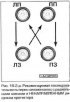
Periodic tire rotation — every 10,000 km or every 6 months
1. Wheels should be rotated according to the service schedule or whenever uneven tire wear is detected. Since this operation still requires raising the vehicle's wheel...
1. Wheels should be rotated according to the service schedule or whenever uneven tire wear is detected. Since this operation still requires raising the vehicle's wheel...

Check the brake system every 10,000 km or every 6 months
Caution! Dust generated by brake pad wear may contain asbestos, which is harmful to health. Do not blow off this dust with compressed air and be careful not to inhale...
Caution! Dust generated by brake pad wear may contain asbestos, which is harmful to health. Do not blow off this dust with compressed air and be careful not to inhale...

Checking the oil level in a manual transmission
Every 25,000 km or once every 12 months. 1. To check the oil level, lift the vehicle and support it securely. The car must be level. On the side of the transmission...
Every 25,000 km or once every 12 months. 1. To check the oil level, lift the vehicle and support it securely. The car must be level. On the side of the transmission...

Replace the air filter every 50,000 km or every two years
1. The air filter must be replaced at certain intervals. 2. Unfasten the air cleaner cover latches (figure 18.2). 3. Remove the cover. 4. Remove the filter from the...
1. The air filter must be replaced at certain intervals. 2. Unfasten the air cleaner cover latches (figure 18.2). 3. Remove the cover. 4. Remove the filter from the...

Checking and replacing spark plugs
1. When installing new spark plugs, you should also check the high-voltage wires (see next paragraph). 2. In most cases, to replace spark plugs you will need the...
1. When installing new spark plugs, you should also check the high-voltage wires (see next paragraph). 2. In most cases, to replace spark plugs you will need the...

Checking and replacing ignition system components
Every 50,000 km or every two years. High-voltage wires 1. When installing new spark plugs, it is recommended to check the high-voltage wires. 2. Start by inspecting the...
Every 50,000 km or every two years. High-voltage wires 1. When installing new spark plugs, it is recommended to check the high-voltage wires. 2. Start by inspecting the...

Checking and replacing the crankcase ventilation valve
Every 50,000 km or every two years. 1. The crankcase ventilation system directs gases that have broken through from the combustion chambers into the engine crankcase...
Every 50,000 km or every two years. 1. The crankcase ventilation system directs gases that have broken through from the combustion chambers into the engine crankcase...

Checking and Adjusting Idle Speed (1997 and Earlier Models)
Every 50,000 km or every two years. 1. Idle speed is the engine operating mode when the accelerator pedal is released, for example when stopped at a traffic light. Idle...
Every 50,000 km or every two years. 1. Idle speed is the engine operating mode when the accelerator pedal is released, for example when stopped at a traffic light. Idle...

Checking and Adjusting Spark Timing (1997 and Earlier Models)
Every 50,000 km or every two years. 1. The ignition timing should be checked according to the maintenance schedule or in case of replacement of the ignition distributor....
Every 50,000 km or every two years. 1. The ignition timing should be checked according to the maintenance schedule or in case of replacement of the ignition distributor....

Cooling system maintenance (fluid draining, flushing and filling)
Every 50,000 km or every two years. Caution! Avoid contact with skin or painted surfaces of the vehicle. Wash off the soaked antifreeze with plenty of clean water....
Every 50,000 km or every two years. Caution! Avoid contact with skin or painted surfaces of the vehicle. Wash off the soaked antifreeze with plenty of clean water....
Brake fluid change — every 50,000 km or every two years
Caution! Brake fluid can be harmful to your eyes and to your vehicle if it comes into contact with painted surfaces. Do not use brake fluid that has been sitting in an...
Caution! Brake fluid can be harmful to your eyes and to your vehicle if it comes into contact with painted surfaces. Do not use brake fluid that has been sitting in an...

Check suspension and steering — every 50,000 km or every two years
Note: Suspension and steering components should be checked periodically. Malfunctions in these systems can lead to increased and uneven tire wear. deterioration of...
Note: Suspension and steering components should be checked periodically. Malfunctions in these systems can lead to increased and uneven tire wear. deterioration of...

Automatic transmission fluid change — every 50,000 km or every two years
1. Automatic transmission fluid should be replaced at the specified intervals. 2. Before starting work, ensure that you have sufficient quantity of the recommended type...
1. Automatic transmission fluid should be replaced at the specified intervals. 2. Before starting work, ensure that you have sufficient quantity of the recommended type...
Manual transmission oil change — every 50,000 km or every two years
1. The fluid in the manual transmission must be replaced at the specified intervals. 2. Before starting work, ensure that you have a sufficient quantity of the...
1. The fluid in the manual transmission must be replaced at the specified intervals. 2. Before starting work, ensure that you have a sufficient quantity of the...

Exhaust system check — every 50,000 km or every two years
1. When the engine is cold (at least three hours after the trip) inspect the exhaust system along its entire length from the engine to the rear pipe. Ideally, it is best...
1. When the engine is cold (at least three hours after the trip) inspect the exhaust system along its entire length from the engine to the rear pipe. Ideally, it is best...

Check the fuel system every 50,000 km or every two years
Caution! Gasoline is highly flammable. Use extreme caution when working around the fuel system. Do not smoke, use open flames, or use portable lamps with open bulbs in...
Caution! Gasoline is highly flammable. Use extreme caution when working around the fuel system. Do not smoke, use open flames, or use portable lamps with open bulbs in...

Checking and adjusting valve clearances (models produced since 1998)
Every 100,000 km or once every four years. Note: With the camshafts installed, it is impossible to adjust the valve clearances without a special proprietary tool. At the...
Every 100,000 km or once every four years. Note: With the camshafts installed, it is impossible to adjust the valve clearances without a special proprietary tool. At the...

Replace the fuel filter every 100,000 km or every four years
1. Disconnect the negative cable from the battery. Caution: If your vehicle has an anti-theft audio system, verify its security code before disconnecting the battery. 2....
1. Disconnect the negative cable from the battery. Caution: If your vehicle has an anti-theft audio system, verify its security code before disconnecting the battery. 2....
This section is available on: russian, bulgarian, belarusian, ukrainian, serbian, croatian, romanian, polish, slovak, hungarian
More sections on repairs of other Mazda models
• General information: Maintenance Mazda Familia 6 (1989-1994)
• User manual: Maintenance Mazda3 BK (2003-2009)
• User manual: Maintenance Mazda6 GG (2002-2008)
• General information: Maintenance Mazda CX-5KE (2012-2017)
• General information: Maintenance Mazda 121 (3) (1996-2003)
• General information: Maintenance Mazda Familia 6 (1989-1994)
• User manual: Maintenance Mazda3 BK (2003-2009)
• User manual: Maintenance Mazda6 GG (2002-2008)
• General information: Maintenance Mazda CX-5KE (2012-2017)
• General information: Maintenance Mazda 121 (3) (1996-2003)
Link in different formats to this section
TEXTHTMLBB Code
- General information
- Introduction to guide
- User manual
- Troubleshooting
- Maintenance
- Power unit
- 4-cylinder engines
- 6-cylinder engines
- Engine overhaul
- Cooling and ventilation
- Power and exhaust systems
- Engine electrics
- Control system
- Transmission
- Mechanical gearbox
- Automatic gearbox
- Clutch and drive shafts
- Chassis
- Brake system
- Car suspension
- Steering
- Body
- Exterior (external elements)
- Interior (internal elements)
- Doors, windows and locks
- Electrical equipment
- Equipment and devices
- Electrical circuits
- General information
- User manual
- Maintenance
- Helpful hints
- Power unit
- Petrol engines 1.6 and 1.8
- Petrol engines 2.0
- 2.5 petrol engines
- Overhaul engines 1.6 and 1.8
- Overhaul engines 2.0 and 2.5
- Diesel engine 2.0
- Engine electrics
- Cooling system
- Air conditioner
- Carburetor Nikki 30/34
- Power system (1.6 and 1.8)
- Power system (2.0 and 2.5)
- Control system
- Transmission
- Mechanical gearbox
- Automatic gearbox
- Clutch and axles
- Chassis
- Brake system
- Suspension and wheels
- Steering
- Body
- Exterior (external elements)
- Interior (internal elements)
- Doors and windows
- Electrical equipment
- Equipment and devices
- Electrical circuits
- General information
- Introduction to manual
- Vehicle specifications
- Power unit
- Engine repair
- Lubrication system
- Cooling system
- Fuel system (carburetor)
- Fuel injection (FE)
- Fuel injection (DOHC)
- Fuel system (diesel)
- Ignition system
- Transmission
- Clutch
- Gearbox
- Drive shafts
- Chassis
- Front suspension
- Rear suspension
- Steering system
- Brake system
- Electrical equipment
- Equipment and devices
- Electrical circuits
- General information
- User manual
- Maintenance
- Power unit
- Gasoline engine
- Engine overhaul (gasoline)
- Diesel engine
- Cooling and heating
- Supply system
- Ignition system
- Emission reduction
- Transmission
- Clutch
- Mechanical gearbox
- Automatic gearbox
- Drive shafts
- Chassis
- Brake system
- Suspension and wheels
- Steering
- Body
- Exterior (external elements)
- Interior (internal elements)
- Electrical equipment
- Equipment and devices
- Power devices
- Electrical circuits
- General information
- User manual
- Maintenance
- Troubleshooting
- Late models
- Power unit
- Engine in car
- Engine overhaul
- Cooling and heating system
- Fuel and exhaust system
- Engine electrical system
- Emission control system
- Transmission
- Mechanical gearbox
- Automatic gearbox
- Clutch and drive shafts
- Chassis
- Brake system
- Suspension and wheels
- Steering
- Body
- Exterior (external elements)
- Interior (internal elements)
- Electrical equipment
- Equipment and devices
- Lighting and lamps
- Electrical circuits