


Clean the brake lines with a chemical cleaner.
Caution: Brake pipes are coated with a special protective compound to protect against corrosion. If the layer of this compound is damaged, it may lead to corrosion of the pipes. For this reason, do not clean the pipes with a wire brush, sandpaper or screwdriver.
Light the pipes going from the master brake cylinder to the wheel brake cylinders and check their condition. The master brake cylinder is located in the engine compartment under the brake fluid reservoir.
If there is an anti-lock brake system, the pipes of the master brake cylinder go to the hydraulic block, and from there to the brakes of individual wheels. There should be no traces of brake fluid on the hydraulic block.
Brake pipes should not be twisted or flattened. They should not show signs of rust or chafing. If there is damage, the section of the pipe should be replaced.
Brake hoses connect the brake pipes to the brake wheel cylinders. They are made of a transparent material that can become porous over time, crack, or be damaged by sharp objects. In such cases, the hose must be replaced.
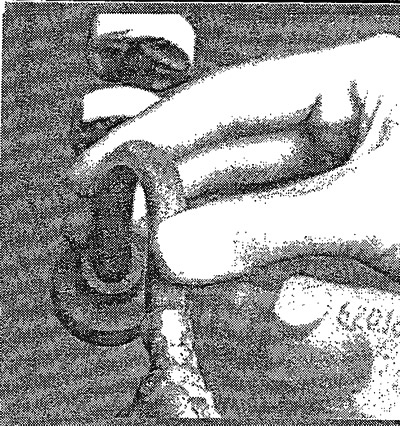
Bend the hose back and forth by hand to check for damage. The hoses should not be twisted, so you need to watch the color strip.
Turn the steering wheel left and right until it stops. The brake hoses should not touch other parts of the car.
The joints of the brake pipes and hoses must not be wet from escaping brake fluid.
Note: If the reservoir and gaskets are wet due to leaking brake fluid, this does not necessarily indicate a faulty master cylinder. In fact, fluid may leak through the vent in the reservoir cap or through the cap seal.
(Based on website data MAZBOOK)
Lower the car.
With the vehicle parked, turn the steering wheel again to the left and right until it stops. And in this case, the brake hoses should not touch other parts of the vehicle in any position.