


- Inspection pit or hydraulic jack and stands.
- Special tool for unscrewing the oil filter (clamp or strap key).
- Socket head for unscrewing the oil drain bolt.
- Oil drain container with a capacity of at least 6 liters.
Necessary details:
- Aluminum or copper gasket for drain bolt.
- Oil filter.
- From 4 to 4.5 liters of motor oil (depending on the engine) of the required grade.
Required amount of oil for replacement (with filter):
- engine 1.3 l - 3.25 l
- engine 1.25/1.4 l - 4.0 l
- engine 2.0 l ONS - 4.5 l
Oil can also be sucked out of the oil pan using a special probe through the dipstick tube.
Attention! Used oil can only be drained in specially designated areas, but under no circumstances should it be drained into the household sewer.
Draining engine oil
Note: The oil can be sucked out using a special probe.
Warm up the engine to operating temperature, which can be monitored using the coolant temperature gauge.
Raise and support the vehicle in a horizontal position.
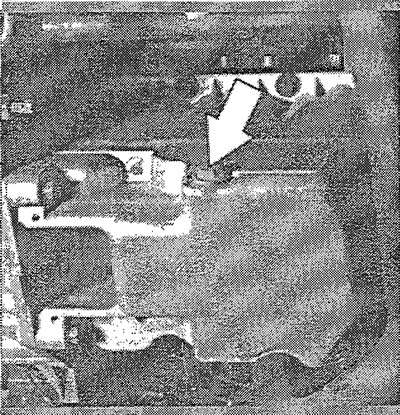
Place a drain container under the drain bolt.
Loosen the drain bolt and allow the oil to drain completely.
Note: If the oil contains a large amount of metal shavings and filings, this indicates damage to the main and connecting rod bearings. To avoid damage in the future, after repairing the engine, it is necessary to thoroughly clean the oil channels.
Replacing the oil filter
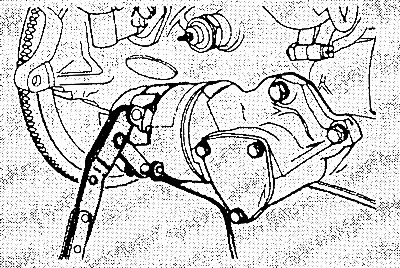
Unscrew the oil filter. It is located at the rear of the engine above the oil pan. There are special devices for unscrewing or strap wrenches. In extreme cases, you can pierce the filter with a sharp screwdriver and unscrew it. In this case, oil will leak out - put a container under it.
Wipe the oil filter contact surface on the cylinder block and remove any remaining oil filter gasket.
Lightly lubricate the gasket surface of the new oil filter with engine oil. See the instructions on the filter housing.
Screw the new filter on by hand. When the filter gasket is flush with the cylinder block, unscrew the filter another half turn.
Filling with engine oil
Tighten the drain bolt with a new gasket (compaction) and tighten it firmly, but without overtightening. Tightening torque - 25 Nm.
Pour the required amount of fresh oil through the filler neck on the valve cover. Install the cover.
Start the engine and let it run at high speed (about 2500 rpm), until the oil pressure warning light goes out (about 5 seconds). Turn off the engine.
After 5 minutes, check the oil level using the dipstick.
After a test drive, check the tightness of the drain bolt and oil filter and, if necessary, carefully tighten them.
Turn off the warmed-up engine and after 2-3 minutes check the oil level again, topping it up if necessary.
To maintain engine performance and better control it is better to use oil of the same type and brand when changing oil. To avoid mistakes, you can stick a plate with the type and viscosity of oil on the valve cover.
Random mixing of different grades of oil is not allowed. You can add oil of the same grade and brand, but of a different viscosity, which corresponds to the given time of year.