


With the engine idling at normal operating temperature, pull the valve out (with a hose attached) from a rubber sealing ring.
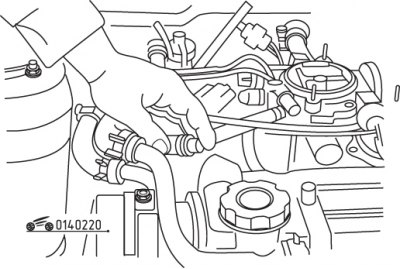
Figure 2.20. Checking the crankcase gas ventilation valve (PCV)
Place your finger on the end of the valve (figure 2.20). If the engine speed decreases, the valve is working properly. If the engine crankshaft speed does not decrease, then the valve is faulty and must be replaced.
To replace the valve, remove it from the end of the hose, marking the position and direction for correct installation.
When purchasing a PCV valve, make sure it matches your vehicle's model, year, and engine size. Compare the old valve to the new one to make sure they are the same.
Insert the valve into the end of the hose. Inspect the rubber sealing ring for damage and replace it if necessary.
The article is copied from the website (MAZBOOK.ru)
Securely reinstall the PCV valve and hose to their original position.