


2. When servicing the cooling system, all hoses and the radiator cap must be inspected and replaced if defective (see Chapter 7).
3. Since antifreeze is corrosive to paint and toxic, avoid allowing coolant to come into contact with painted surfaces or your skin. If this does happen, rinse off any spilled fluid with plenty of clean water.
4. Remove the radiator cap (the engine must be cold).
5. Place a large container under the radiator to catch the drained coolant.
6. Drain the radiator by removing the drain plug located at the bottom (photo). If the plug is rusted and cannot be removed, or if the radiator does not have a drain plug, disconnect the lower hose from the radiator and drain the fluid. Be careful not to let the mixture splash on your skin or into your eyes.
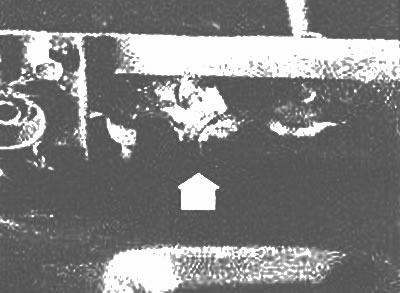
The drain plug is located at the base of the radiator
7. Disconnect the hose from the coolant reservoir and remove the reservoir. Rinse it with clean water.
8. Connect a garden hose to the radiator filler neck and flush the system until clear water flows from all open holes. If the draining water is still dirty after a significant period of time, flush the radiator with a good, specialized cleaner such as Holts Radflush or Holts Speedflush. Follow the manufacturer's instructions carefully.
9. If the radiator is seriously contaminated or clogged, remove it (see Section 3), turn over and rinse in the opposite direction. To do this, insert the hose into the radiator base outlet and let the water flow in the opposite direction to the normal flow. If further cleaning or repair of the radiator is required, contact a service station.
The article is copied from the resource www.MAZbook.ru
10. If the cooling system is serviced regularly and the system is filled with a mixture of antifreeze and water in the correct proportions, there should be no need to use chemical cleaners.
11. To fill the system, reconnect the radiator hoses and install the expansion tank and its hose.
12. Fill the radiator to the base of the filler neck, then add coolant to the reservoir until its level reaches the lower mark (photo).
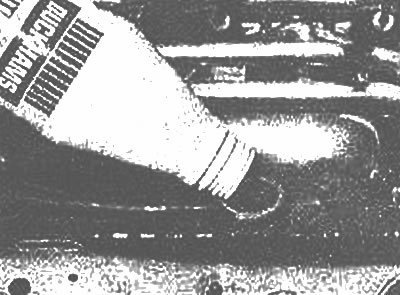
Filling the radiator
13. Start the engine, warm it up to normal operating temperature, and with the engine idling, bring the coolant level up to the "Full" mark. Install the expansion tank and radiator caps.
14. Monitor the coolant level during the first few kilometers of driving. Tighten the hose clamps and/or add coolant as needed.