


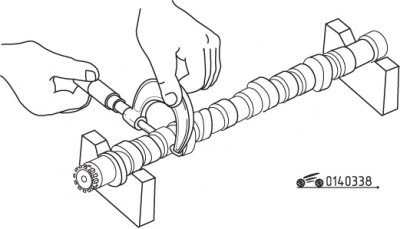
Figure 3.38. Measuring the height of the camshaft lobes
Measure the cam height with a micrometer and compare it to the standard value to determine their wear (figure 3.38).
Check the cams for metal chipping, scratches, gouges, wear, and uneven wear. If the cams are in good condition and the cam diameters do not exceed the established norm, then its further operation is permissible.
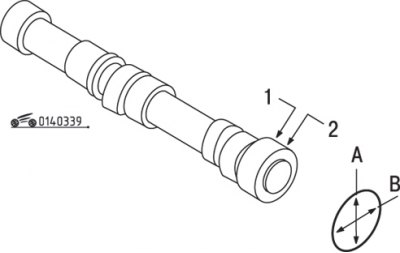
Figure 3.39. Locations for measuring the diameter of the front journal of the camshaft
Use a micrometer to measure the diameter of the center journals to determine wear and out-of-roundness. If the ovality exceeds 0.5 mm, the camshaft must be replaced. Measure the front journal diameter and the front cover inner diameter in two diametrically opposite directions and compare with the standard value to determine the degree of wear (figure 3.39).
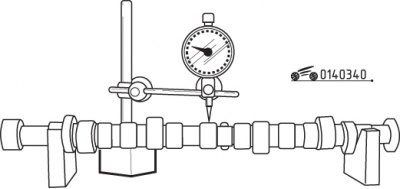
Figure 3.40. Checking the camshaft runout using a dial indicator
Use a dial indicator to check the camshaft runout, having first installed the camshaft on prisms (figure 3.40).
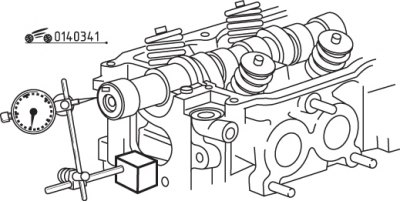
Figure 3.41. Measuring the axial play of the camshaft using a dial indicator
Install the camshaft on the cylinder head and measure the axial play with a dial indicator by moving the shaft all the way back and then forward, as shown in the figure 3.41.
The camshaft lubrication clearance is checked during final assembly, after the cylinder head has been installed and the bolts have been tightened. The mating surfaces of the camshaft bearings must be clean and free of oil. Place pieces of calibrated plastic rod on the surface of the camshaft journals, aligning them parallel to the axis, and tighten the bearing cap mounting bolts to the required torque. Loosen the bolts and determine the lubrication gap based on the amount of deformation of the calibrated plastic rod, using the scale printed on its packaging. If the clearance exceeds the established maximum permissible value, the cylinder head and camshaft bearing cap must be replaced.